wsop
Japan Is Having an Incredible 2026 WSOP — Here's Why
Japanese players are making an unprecedented impact at the 2026 WSOP, securing multiple bracelets and showcasing the country's growing poker scene.
TL;DR
A surge of Japanese poker talent is dominating the 2026 World Series of Poker with three bracelet wins, propelled by community leaders like Naoya Kihara, Koji Fujimoto, and Masato Yokosawa. Their collective efforts in teaching and promoting poker are cultivating a significant boom in Japan.
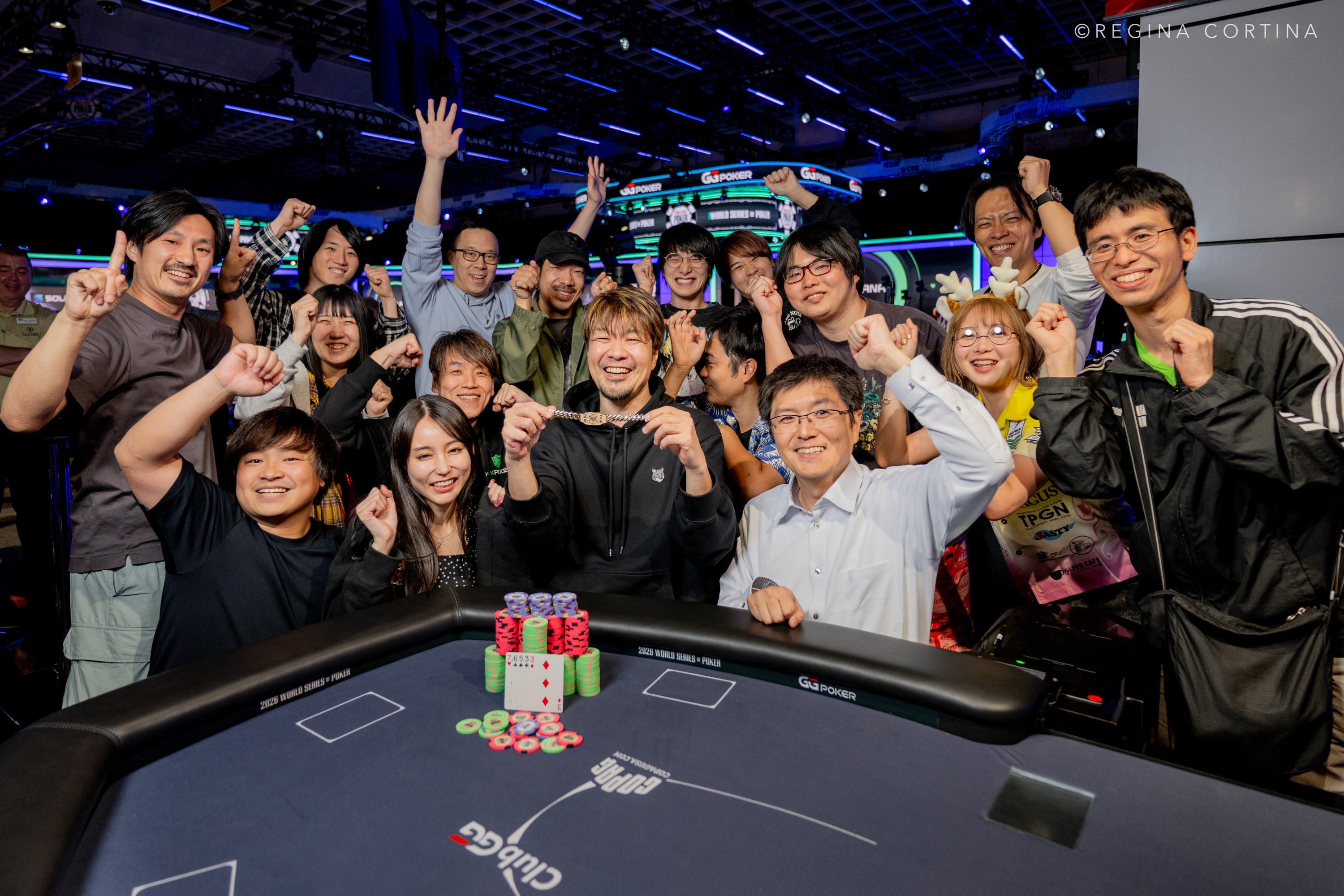
The 2026 World Series of Poker has seen a remarkable showing from Japanese players, highlighted by Koji Fujimoto's victory in the $10,000 Limit 2-7 Triple Draw Championship. Fujimoto, a poker coach in Japan, defeated Nick Schulman to win his maiden WSOP bracelet, with a large contingent of his students railing and celebrating his success.
This victory follows an already successful summer for Japanese poker. Naoya Kihara, Japan's first WSOP bracelet winner, secured two championship titles earlier in the series. Kihara, who finished 7th at Fujimoto's final table, emphasized the growing commonality of Japanese bracelet wins, attributing the boom to efforts by players like Masato Yokosawa.
Yokosawa, a prominent poker YouTuber with over one million subscribers, organized a trip bringing 290 players from Japan to Las Vegas. This initiative, alongside Kihara's promotion of mixed games and Fujimoto's free coaching, has significantly contributed to the expansion of poker in Japan.
Ryutaro Suzuki, a two-time WSOP champion, also noted the positive results and increasing popularity of poker in his home country. Suzuki, who recently placed fourth in the $10,000 No-Limit 2-7 Lowball Draw Championship, expressed his intention to continue competing for another bracelet.
The communal spirit, known as "wa" or social harmony, is evident among the Japanese players. Kihara's role as a translator for Fujimoto during post-win interviews exemplifies this, demonstrating a collective pride and support that extends beyond individual achievements. Fujimoto himself acknowledged the effect of his students' presence, stating, "I was playing, not alone, but all the students. So that makes me play better and lead to winning."