business
Alabama Intentionally Sinks Former Riverboat Casino
Alabama officials have intentionally sunk the former Argosy VI riverboat casino, transforming the 408-foot vessel into a vibrant artificial reef in the Gulf of Mexico.
TL;DR
The Argosy VI, a storied riverboat casino that once plied the Ohio River, has been meticulously prepared and sunk off the coast of Perdido Pass, Alabama. This monumental undertaking by the Alabama Marine Resources Division creates a new artificial reef, bolstering marine habitats and offering a unique diving and fishing destination.
In a truly unique chapter for a former gambling institution, the Argosy VI riverboat casino, a vessel that once hosted thousands of eager players, has found a new purpose at the bottom of the Gulf of Mexico. Off the coast of Perdido Pass, Alabama, officials meticulously orchestrated the sinking of the colossal ship, effectively transforming it into a thriving artificial reef, a testament to ecological ingenuity.
The dramatic event unfolded with numerous spectator boats gathering to witness the Argosy VI's final descent. For years, the formidable vessel had sat dormant in the waterfront of Bayou La Batre, a silent relic of its past glory. Now, after extensive preparation, it was towed out to sea for its ultimate farewell, plunging 122 feet beneath the surface to its new, permanent home.
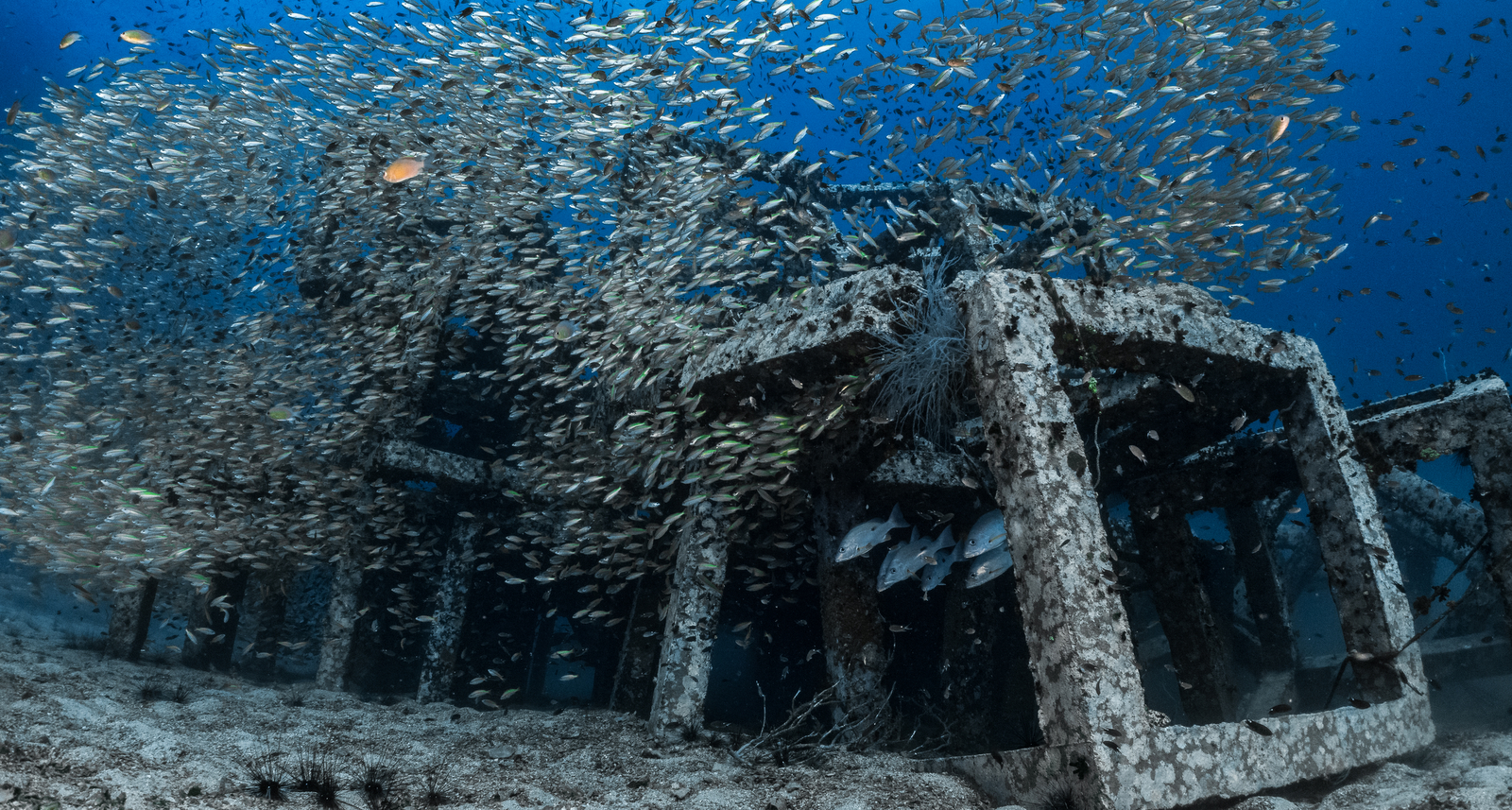
Artificial reefs, as defined by the National Oceanic and Atmospheric Administration, are human-made structures strategically placed on the ocean floor to emulate natural reef ecosystems. The newly created habitat provided by the Argosy VI offers an essential hard surface where marine life, including corals, algae, and barnacles, can securely attach and flourish. This in turn cultivates a vibrant ecosystem, attracting diverse fish species and other sea creatures to an area where natural structures are often scarce.
Years of careful planning and strategic foresight went into selecting the precise location for the Argosy VI. Craig Newton, Fisheries Section Supervisor for the Alabama Marine Resources Division, revealed to WEAR that the chosen site holds specific advantages. "This particular reef site is along the eastern side of Alabama’s artificial reef zone," Newton explained. "The waters here typically have better clarity, and the coarse sandy bottom will help support a structure this size without it settling into the mud."
Tracing its history, the 408-foot, four-story riverboat first launched in 1998, though it operated on the Ohio River in Lawrenceburg, Indiana, from 1996 to 2009. The 1,597-ton, diesel-electric vessel was a jewel in the crown of Argosy Gaming's fleet of riverboat casinos, which began its operations in the early 1990s. At its peak, the Argosy VI could accommodate an astonishing 4,407 passengers and crew members, boasting over 1,700 slot machines within its expansive decks.
Penn National Gaming acquired Argosy Gaming in 2005, and the Argosy VI was eventually retired in 2009, replaced by a larger, more contemporary vessel. Following its retirement, an Alabama developer purchased the ship with repurposing in mind. Once heralded as the world's largest riverboat casino, the vessel was eventually acquired by the Alabama Department of Conservation and Natural Resources, setting the stage for its ecological transformation.
Before its dramatic sinking, the Argosy VI underwent a meticulous preparation process. For months, it was docked while workers diligently removed all hazardous materials, ensuring the integrity of the marine environment. Furthermore, strategic pathways were carefully cut into the ship's structure, designed to facilitate the free flow of seawater and create optimal access and shelter for marine life, guaranteeing its success as a habitat.
Alabama proudly operates the largest artificial reef program in the entire country, as highlighted by Outdoor Alabama. The Argosy VI's new role will not only provide a crucial home for marine organisms but also significantly benefit human interaction with the ocean. Positioned near two popular diving destinations, the new reef is expected to draw more divers and enhance fishing opportunities. Kevin Anson, Director of the Marine Resources Division at ADCNR, emphasized to WEAR the importance of such structures: "Alabama is very limited in the amount of hard bottom or coral areas here in this part of the Gulf of Mexico, and a lot of the reef fish species that many people like to target while they’re fishing require reef structure at least for some segment of their life history." This ambitious project was funded through a $2.5 million allocation from the Gulf of Mexico Energy Security Act (GOMESA) funds.
This transformation stands as one of the more distinctive intersections of casino history and environmental conservation in recent memory. While not as dramatic as a bird halting the Bellagio fountain show in 2024 or a hot air balloon crashing into a California casino in May, the Argosy VI's rebirth as an underwater ecosystem offers a compelling narrative of adaptation and renewal, turning a relic of entertainment into a cornerstone of marine biodiversity.